
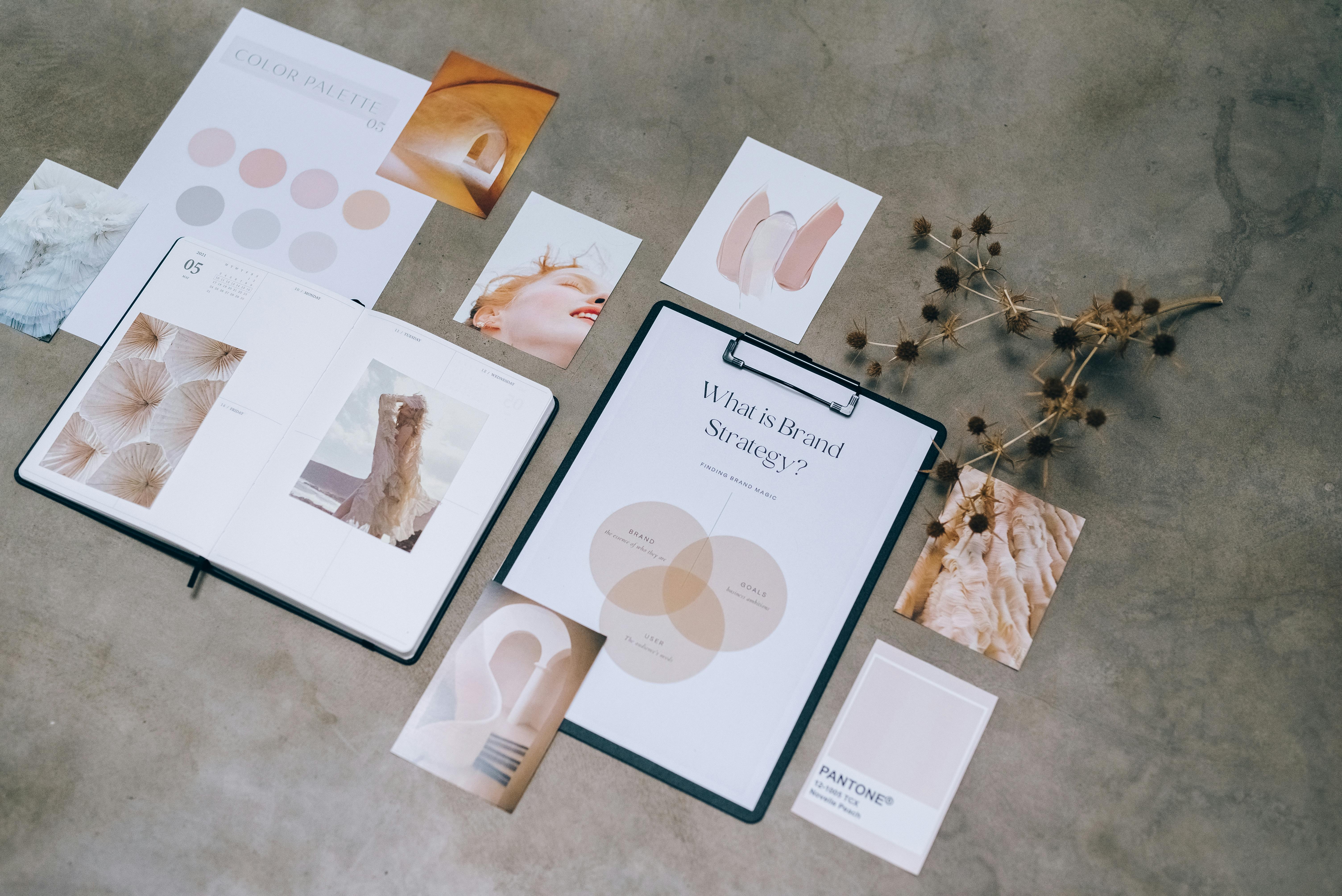
Discover how cutting-edge AI branding strategy and personalized marketing platforms are transforming customer experience in 2026. Explore top AI marketing tools and digital branding agencies to optimize your brand identity, secure market leadership, and drive unprecedented ROI in a hyper-competitive landscape.
Introduction to the Topic
Welcome to 2026, where the competitive advantage in branding isn't just about what you say, but how intelligently you say it, and how profoundly you understand your audience. The era of one-size-fits-all branding is a relic of the past. Today, businesses are leveraging Artificial Intelligence (AI) not merely as a tool for automation, but as the central nervous system for crafting deeply personal, powerfully resonant, and incredibly effective brand experiences. This isn't just a trend; it's the fundamental shift defining market leaders and customer loyalty in the mid-2020s.
For revenue-focused leaders, brand strategists, and marketing professionals, understanding and implementing AI-powered branding is no longer optional. It's the strategic imperative for maximizing CPM, boosting RPM, and ensuring every marketing dollar generates measurable, high-value engagement. This article will delve into the transformative power of AI in branding, explore the landscape of solutions available today, and arm you with the insights to make informed investment decisions that will propel your brand to new heights.
Backgrounds & Facts
The journey to AI-driven branding has been rapid. Just a few years ago, AI in marketing was primarily associated with basic automation and data analytics. Fast forward to 2026, and AI algorithms are sophisticated enough to understand nuanced consumer behavior, predict market shifts with astounding accuracy, and even generate creative content that rivals human output in its originality and effectiveness. The sheer volume of data generated daily – from social media interactions to IoT device usage and e-commerce transactions – would be overwhelming without AI to process, interpret, and derive actionable insights.
Consider these facts shaping our current branding environment:
- Hyper-Personalization is Table Stakes: Consumers in 2026 expect brands to anticipate their needs, preferences, and even their emotional state. Generic messaging is not just ignored; it often actively detracts from brand perception. AI makes true 1:1 personalization at scale a reality.
- Data Overload Demands AI: Businesses are drowning in data, yet often starved for actionable intelligence. AI platforms can ingest, clean, and analyze petabytes of structured and unstructured data, identifying patterns and insights that human analysts would miss, and doing so in real-time.
- The Creator Economy's Influence: With the rise of the creator economy, consumers are accustomed to authentic, dynamic content. AI assists brands in generating high-quality, personalized content (from ad copy and social media posts to video scripts and audio branding elements) at a speed and scale impossible before.
- Market Volatility Requires Agility: Global events, rapid technological advancements, and shifting consumer values mean brand strategies must be agile. AI provides predictive analytics to forecast trends and adapt messaging instantly, keeping brands relevant and resilient.
The market for AI in marketing is projected to exceed $100 billion by the end of the decade, with significant growth in specific sub-segments like AI branding strategy and AI-powered customer experience platforms. Brands that fail to integrate these technologies risk falling behind competitors who are already leveraging AI to build deeper connections and optimize their revenue streams.
Expert Opinion / Analysis
“The true genius of AI in branding isn't just its ability to automate tasks, but its capacity to augment human creativity and strategic thinking,” states Dr. Elara Vance, Chief Brand Futurist at OmniBrand Labs. “In 2026, AI is our co-pilot, helping us discover hidden consumer segments, pre-test campaign effectiveness with virtual audiences, and even dynamically adjust brand narratives in real-time based on sentiment analysis across global markets.”
Dr. Vance highlights several critical applications where AI is redefining branding:
- Predictive Brand Strategy & Market Foresight: AI algorithms analyze vast datasets – including social chatter, economic indicators, competitor moves, and historical campaign performance – to predict emerging trends, identify unmet consumer needs, and even forecast potential brand crises. This allows brands to proactively shape their identity and messaging, rather than reactively responding to market shifts.
- Hyper-Personalized Content Generation & Distribution: Generative AI models are now creating compelling ad copy, social media visuals, email campaigns, and even short-form video scripts tailored to individual customer profiles. These tools learn from past engagement, optimizing for tone, style, and content format to maximize conversion rates and brand resonance. Dynamic content optimization ensures that each customer touchpoint feels uniquely crafted for them.
- Real-time Brand Reputation Management: AI-powered sentiment analysis monitors mentions across all digital channels, identifying positive, neutral, and negative perceptions instantly. This enables brands to respond to customer feedback, address concerns, and amplify positive sentiment with unprecedented speed and precision, protecting and enhancing brand equity.
- Optimized Customer Journey Mapping & Experience: AI platforms map complex customer journeys, identifying friction points and opportunities for engagement. From personalized website experiences and tailored product recommendations to proactive customer service interventions, AI ensures a seamless, delightful, and brand-consistent experience at every touchpoint, fostering deep loyalty.
- Sonic Branding & Multisensory AI: Beyond visual and textual, AI is now being used to create unique sonic identities for brands, adapting audio cues based on user context and mood. We're also seeing early applications in haptic feedback and even scent delivery systems, creating truly immersive, multisensory brand experiences.
The integration of these AI capabilities transforms branding from a static exercise into a dynamic, adaptive, and deeply intelligent system, constantly learning and evolving with the market and its consumers.
💰 Best Options in Comparison (VERY IMPORTANT)
Navigating the burgeoning market of AI branding solutions can be daunting. To help you make strategic investments, we've identified three core categories of AI tools and services that are essential for any forward-thinking brand in 2026. Whether you're a lean startup or a global enterprise, these options offer scalable pathways to AI-driven branding excellence.
- Option 1: Integrated AI Brand Strategy & Analytics Platforms
These comprehensive platforms offer an end-to-end solution for brand intelligence, predictive analytics, and strategic planning. They are ideal for medium to large enterprises seeking holistic control over their brand narrative and market positioning. - Option 2: Specialized AI Content & Personalization Engines
Focusing on the creative and experiential aspects, these tools excel at generating personalized content, optimizing customer journeys, and delivering dynamic experiences across various channels. Best for brands prioritizing direct customer engagement and content efficiency. - Option 3: Full-Service AI Branding Agencies & Consultancies
For businesses seeking expert guidance, custom AI model development, and seamless integration of complex AI solutions, specialized agencies provide a hands-on approach. Ideal for brands needing bespoke solutions or lacking in-house AI expertise.
Here's a comparison of leading solutions within these categories to help you identify the best fit for your brand's unique needs and budget:
| Feature/Solution Type | BrandMind AI (Integrated Platform) | PersonaForge Pro (Content & Personalization) | Synergy AI Branding (Agency/Consultancy) |
|---|---|---|---|
| Core Functionality | Holistic brand intelligence, predictive analytics, market trend forecasting, reputation monitoring, strategic guidance. | AI-powered content generation (text, visual, audio), dynamic personalization across channels, customer journey optimization, A/B testing automation. | Custom AI strategy development, bespoke model training, full-stack implementation, ongoing optimization, ethical AI governance. |
| Key Benefits | Proactive strategy, deep market insights, competitive advantage, reduced risk, scalable operations. | Enhanced customer engagement, higher conversion rates, content creation efficiency, improved CX, personalized loyalty. | Tailored solutions, expert implementation, access to bleeding-edge AI, risk mitigation, hands-on support, faster time-to-value. |
| Ideal For | Enterprise brands, marketing departments with dedicated strategy teams, complex market analysis needs. | E-commerce, digital marketers, content creators, brands focused on individualized customer experiences. | Brands with unique challenges, limited in-house AI expertise, high-stakes brand transformations, or specific niche requirements. |
| Integration Capabilities | CRM, ERP, marketing automation suites (e.g., Salesforce, Adobe Experience Cloud, HubSpot). | CMS, email marketing platforms, social media management tools, ad platforms (e.g., WordPress, Mailchimp, Meta Ads). | Fully customizable integrations across all existing tech stacks and bespoke systems. |
| Pricing Model | Tiered subscriptions based on data volume, user seats, and feature access (starts at $2,500/month for enterprise). | Usage-based or tiered subscriptions based on content generation volume, personalization events, and user seats (starts at $299/month for SMBs). | Project-based fees, retainer models, or percentage of ad spend for managed services (typically $10,000+ for initial projects). |
| Noteworthy Features | AI-driven SWOT analysis, sentiment heatmaps, brand equity scoring, competitor strategy prediction. | GPT-X content generation, image & video synthesis, adaptive landing pages, predictive product recommendations, sonic branding modules. | Proprietary AI models, ethical AI frameworks, deep learning specialists, data science teams, strategic workshops. |
When selecting your AI branding solution, consider your current brand maturity, budget, in-house capabilities, and the specific pain points you aim to solve. Investing in the right AI tools and partnerships is a direct investment in your brand's future revenue and customer lifetime value.
Outlook & Trends
The evolution of AI in branding is far from complete. Looking towards the latter half of the decade, several exciting trends are poised to further revolutionize how brands connect with consumers:
- Hyper-Realistic Virtual Brand Avatars & Influencers: Expect AI-generated digital brand representatives and influencers to become indistinguishable from humans, capable of real-time, personalized interactions in virtual worlds and beyond. These avatars will embody brand values and provide 24/7 customer engagement.
- Adaptive Branding in the Metaverse & Web3: As the metaverse matures, AI will enable brands to create dynamic, context-aware identities that fluidly adapt across virtual environments. NFTs and decentralized autonomous organizations (DAOs) will offer new avenues for community-driven branding, with AI facilitating governance and personalization within these ecosystems.
- Ethical AI & Brand Trust: With increasing AI sophistication comes a greater responsibility for ethical deployment. Brands will invest heavily in 'Explainable AI' (XAI) and 'Responsible AI' frameworks to ensure transparency, fairness, and consumer trust. Ethical AI branding will become a significant differentiator.
- Neural Interface Branding: While still nascent, brain-computer interface (BCI) technology could eventually lead to brands interacting with consumers on a neural level, creating truly immersive and personalized experiences directly within the mind. This raises profound ethical questions but represents the ultimate frontier of personalization.
- AI-Human Hybrid Creativity: The future isn't AI replacing human creativity, but rather a seamless collaboration. AI will handle the repetitive, data-intensive tasks, freeing human strategists and creatives to focus on high-level conceptualization, emotional intelligence, and innovative problem-solving, leading to unprecedented levels of brand ingenuity.
Brands that proactively embrace these trends, investing in the underlying AI infrastructure and talent, will be best positioned to dominate the markets of tomorrow.
Conclusion
The year 2026 marks a pivotal moment in the evolution of branding. Artificial Intelligence has moved beyond being a futuristic concept to become an indispensable engine for crafting compelling, personalized, and profitable brand experiences. From predictive strategy and hyper-personalized content generation to real-time reputation management and immersive multisensory engagements, AI empowers brands to build deeper connections, foster unparalleled loyalty, and drive significant revenue growth.
For organizations striving for maximum CPM and RPM, the message is clear: embrace AI. Evaluate the integrated platforms, specialized tools, and expert consultancies discussed. Invest strategically in the solutions that align with your brand's vision and operational capabilities. The brands that harness the power of AI today are not just adapting to the future; they are actively shaping it, securing their place as leaders in an increasingly intelligent and personalized marketplace. Don't just compete; leverage AI to lead the conversation and redefine what's possible for your brand.